
Venture Studios for Technologists: No Pitch Decks Required
Discover how venture studios help technologists build startups without pitch decks or fundraising. A builder-first alternative to traditional VC.
Discover how venture studios help technologists build startups without pitch decks or fundraising. A builder-first alternative to traditional VC.
TRL 4–7 funding helps startups move from lab prototypes to real-world pilots. This guide explains the TRL framework, the valley of death, and how to secure deep-tech funding.
Pre-seed funding for fintech startups in India demands more than a strong idea—it requires a compliance-first mindset and smart use of Digital Public Infrastructure. This guide explains how founders can navigate regulations, leverage DPI rails like UPI and Aadhaar, and build investor-ready fintech ventures from day one.
Startup funding in Tier 2 cities across India is no longer a constraint—it’s a strategic advantage. With lower burn rates, growing investor interest, government seed schemes, and access to angels and micro VCs, founders outside metro hubs now raise capital without relocating. This guide breaks down funding sources, real strategies, and how Tier 2 startups can compete and win in 2026.
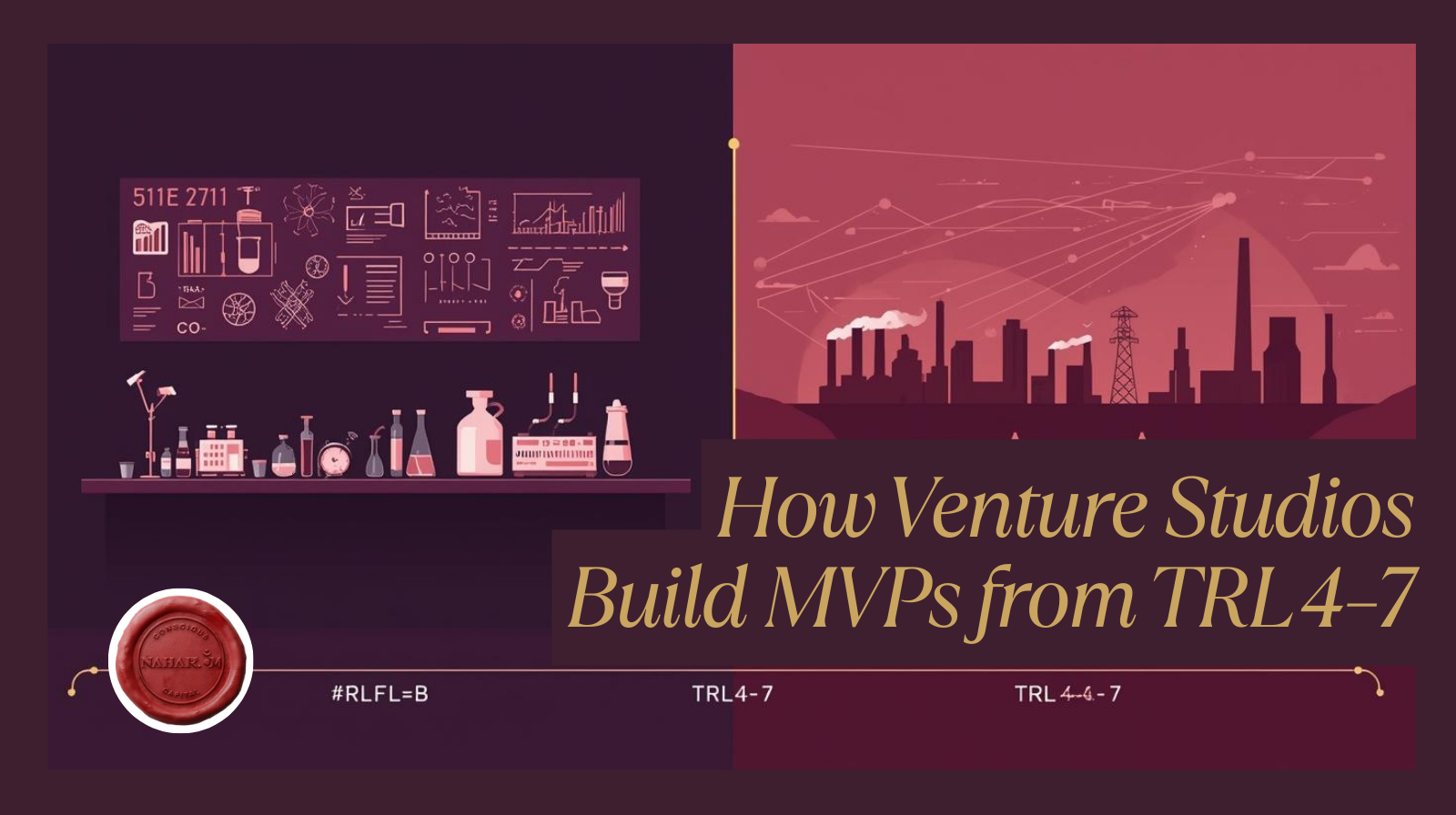
Moving from lab validation to real-world deployment is the toughest stretch in deep-tech. This article explains how venture studios help founders bridge TRL 4–7 by providing engineering support, market validation, pilot design, regulatory navigation, and execution teams that accelerate MVP readiness — while reducing the risk of failure.
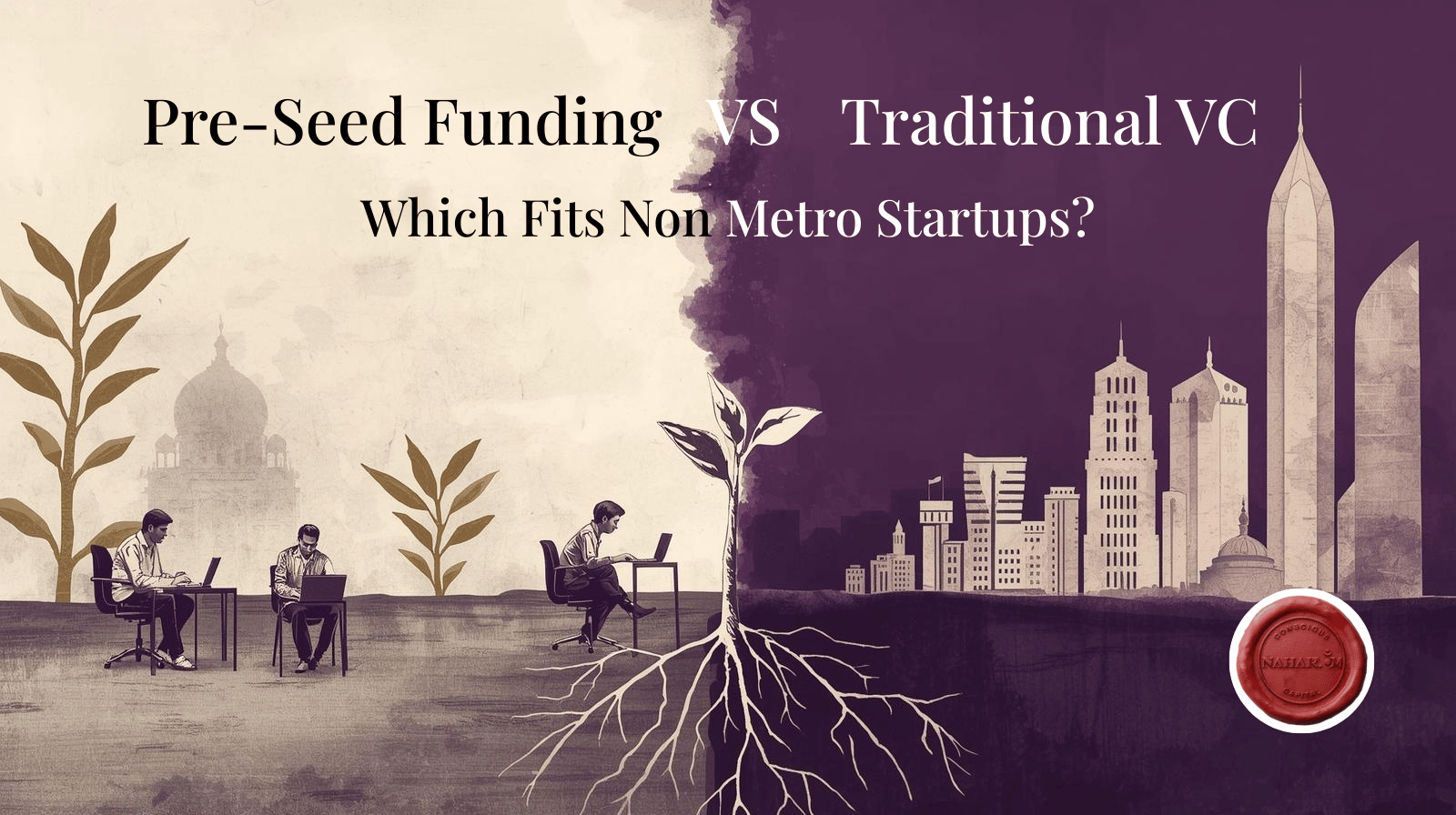
Non-metro founders don’t always need VC money first. This guide breaks down pre-seed vs traditional venture capital, real founder scenarios, funding traps to avoid, and how Tier 2/3 startups can choose the right path at the right time.

Pre-seed funding in Tier 2 and Tier 3 cities is reshaping India’s startup landscape in 2026. As entrepreneurship spreads beyond metros like Bengaluru and Delhi-NCR, founders in cities such as Jaipur, Indore, Kochi, and Coimbatore are accessing early-stage capital without relocating. This guide explains what pre-seed funding means in non-metro India, typical cheque sizes, who invests at this stage, and what investors actually look for before revenue or scale. It also breaks down why Tier 2/3 startups enjoy advantages like lower burn rates, deeper local market insights, and growing government and incubator support. Whether you’re building an MVP, validating demand, or preparing to approach angels, micro-VCs, or incubators, this founder-first guide shows how to raise pre-seed funding efficiently while turning your city into a competitive edge.