Cryptocurrency Fraud Recovery: Tracing Stolen Crypto in India

Cyber forensic labs in India 2026 investigating cryptocurrency fraud using blockchain analysis tools

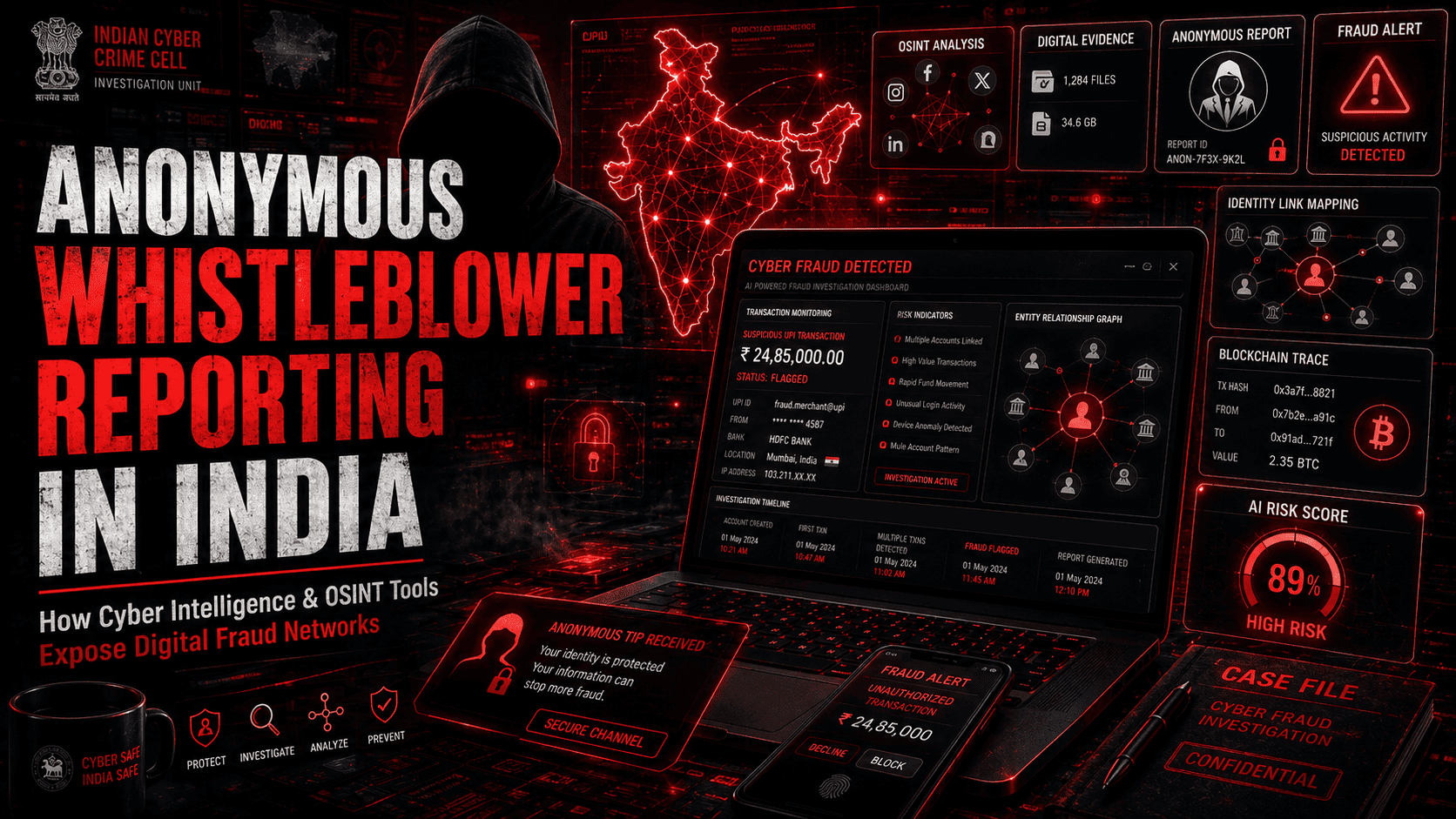
Cryptocurrency fraud in India is evolving rapidly, and so is the role of cyber forensic labs in tracking and recovering stolen digital assets. In 2026, these labs are no longer limited to basic digital evidence collection — they are equipped with advanced blockchain analysis tools, AI-driven investigation systems, and cross-border tracking capabilities to trace even the most complex crypto scam networks.

From fake trading platforms and phishing attacks to large-scale investment frauds, cyber forensic labs play a critical role in identifying transaction trails, clustering suspicious wallet addresses, and linking them to real-world identities through KYC-compliant exchanges. With the introduction of standardized protocols by Indian authorities, including wallet freezing mechanisms and coordinated enforcement actions, the chances of recovering stolen cryptocurrency — though still challenging — have significantly improved.

This article explores how cyber forensic labs in India operate, the technologies they use to trace blockchain transactions, and what victims can realistically expect in terms of recovery. It also breaks down the immediate steps to take after a crypto fraud incident, the legal framework supporting investigations, and why time-sensitive reporting can make the difference between partial recovery and complete loss.

Investment Fraud in India: How to Identify Ponzi and Pyramid Schemes Before It’s Too Late

Investment fraud in India are rising through mobile apps and fake returns

Investment fraud in India is at an all-time high, with thousands of people losing their savings every day to fake apps, Ponzi schemes, pyramid structures, and task-based earning scams. These schemes promise guaranteed monthly returns of 20–50%, use WhatsApp and Telegram groups to build trust, and rely on social proof like fake payment screenshots to lure victims. In 2025 alone, investment scams accounted for a major share of cybercrime losses in India, highlighting how widespread and sophisticated these frauds have become.

This guide breaks down exactly how investment scams work in India, the difference between Ponzi and pyramid schemes, and the most common red flags you should never ignore. You’ll also learn how fraudsters exploit digital payments like UPI, why Tier-2 and Tier-3 cities are increasingly targeted, and what legal protections exist under Indian law. Most importantly, it explains what immediate steps you must take if you’ve been scammed, including how to report fraud and improve your chances of recovering lost money.

If you’re investing or planning to invest, this is essential reading to help you protect your money, avoid costly mistakes, and make informed financial decisions in a rapidly evolving digital economy.

Task-Based Investment Scams in India 2026: How Telegram Frauds Target Students, Freelancers, and Gig Workers — and What to Do Right Now

Task-based investment scam in India 2026 showing fake earnings dashboard and Telegram fraud concept

Task-based investment scams in India are rapidly targeting students, freelancers, and gig workers through Telegram and fake earning apps. These scams start with small payouts but quickly demand deposits, leading to losses ranging from ₹50,000 to ₹3 lakh with very low recovery chances.

India-Myanmar Cybercrime Corridor 2026: The Geopolitical Investigation Every Professional Must Read

India Myanmar cybercrime corridor showing scam networks, digital fraud operations and cross-border money flow

The India–Myanmar cybercrime corridor has emerged as one of the most sophisticated cross-border fraud ecosystems targeting Indians today. Operating from fortified scam compounds across Southeast Asia, these networks run industrial-scale digital scams—from “digital arrest” impersonations to high-value investment frauds—impacting individuals, businesses, and high-net-worth families alike. This investigation breaks down how these operations function, how money flows through crypto and hawala channels, and what it means for your financial security in 2026.

AI Fraud Detection for Indian MSMEs 2026: Top 8 Tools Ranked by ROI

AI fraud detection tools for Indian MSMEs in 2026 showing risk scoring, UPI alerts and ROI-based fraud prevention systems

Indian MSMEs lost ₹4,245 Crore to digital fraud between April 2024 and January 2025 — a 67% surge. UPI scams account for 85% of cases, deepfake fraud is up 2,137%, and mule networks are expanding fast. This guide ranks 8 AI-powered fraud detection tools — Razorpay FraudShield, Cashfree Shield, Signzy, Decentro, HyperVerge, Bureau.id, Feedzai, and Perfios TrustArmour — by ROI, pricing (Rs 0–15k/mo), false positive rates, and RBI/DPDP compliance. Built for MSMEs. Deploy in under one week.

Ghost SIMs and PoS Agents: Exposing the Hidden Backend of India’s Cyber Fraud Network

Ghost SIMs to cash-out cyber fraud flow showing SIM cards, mule accounts, digital wallet, PoS terminal and cash extraction in India

Ghost SIMs and rogue PoS agents form the invisible backbone of India’s cyber fraud ecosystem. This visual breakdown explains how stolen KYC data is used to issue ghost SIMs, activate mule bank accounts, route funds through digital wallets, and ultimately cash out via PoS terminals. It offers a clear, end-to-end view of how organised fraud networks operate behind the scenes.

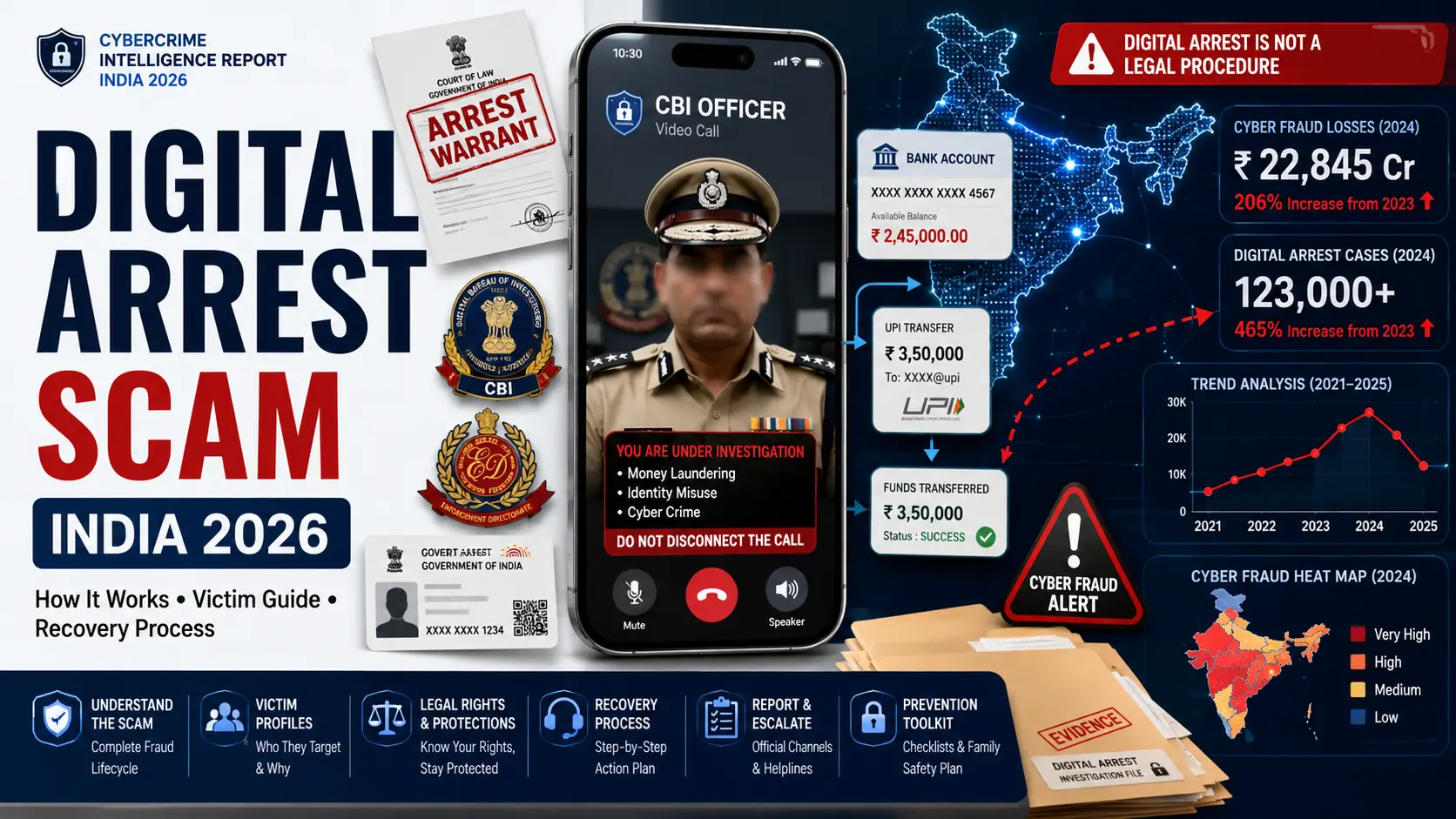
Digital Arrest Scams in India 2026: How Southeast Asia Networks Target You — and How to Fight Back

Digital arrest scam in India illustration showing fake police officer video call and cyber fraud warning not to transfer money

Digital arrest scams are India’s fastest-growing cyber fraud, where criminals impersonate law enforcement officials to extort money through video calls. This guide breaks down how these scams operate, their links to Southeast Asian networks, and the exact steps you need to protect yourself and your family.

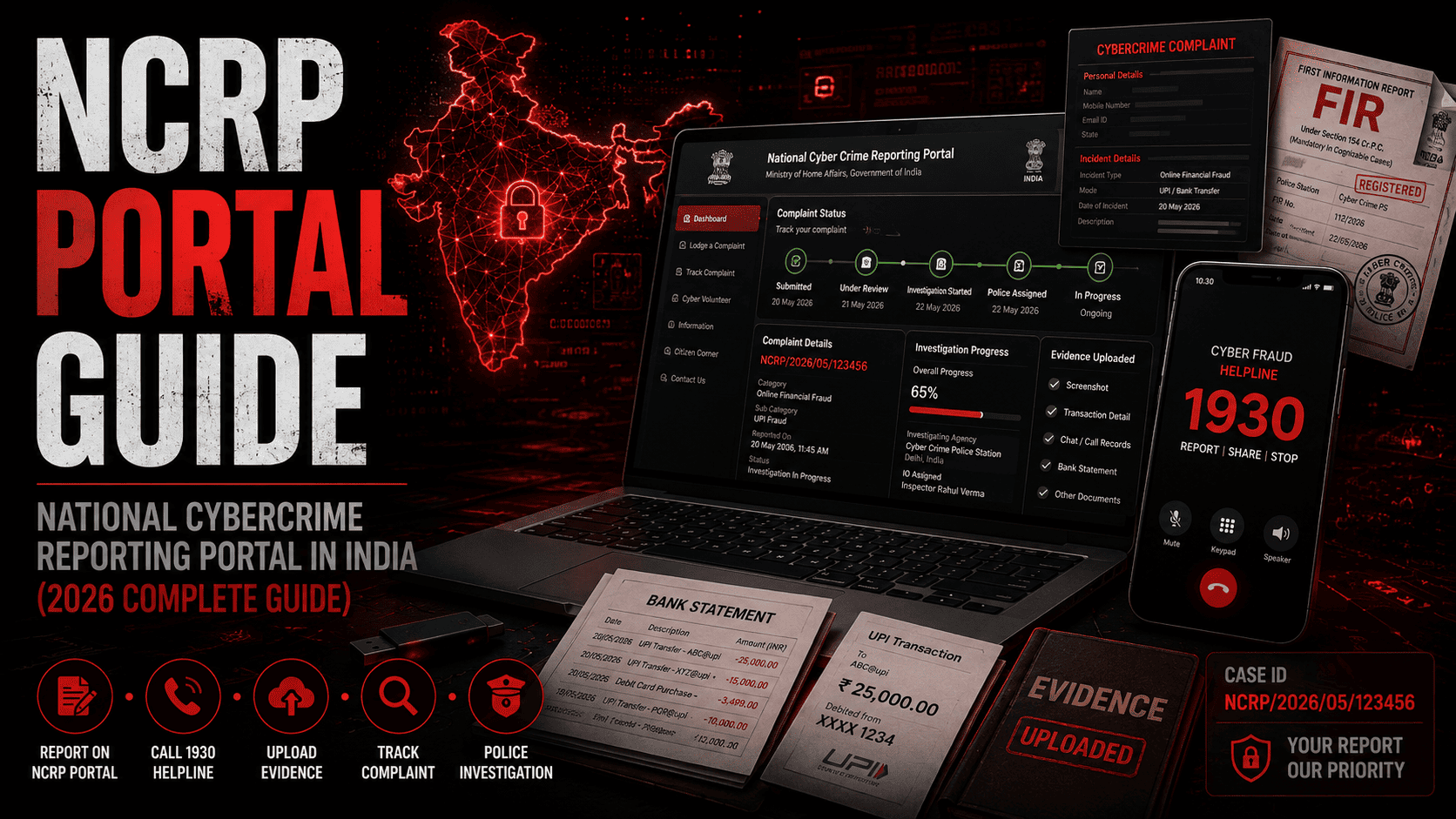
Cybercrime NGOs in India: How They Support Fraud Victims

A conceptual illustration or infographic showing support for cybercrime victims in India, featuring symbols of digital security and cybercrime NGOs in India assistance.

India is facing a cybercrime epidemic. From UPI scams to crypto fraud, millions are affected—but the path to justice is often confusing and slow. While government portals are essential, they can’t do it alone. This guide explores the crucial role of cybercrime NGOs in India, exploring how organizations like CyberPeace Foundation step in to provide legal aid, emotional support, and hands-on guidance to fraud victims when they need it most.