TRL 4–7 Funding: Bridging the Gap from Prototype to Pilot
TRL 4–7 funding helps startups move from lab prototypes to real-world pilots. This guide explains the TRL framework, the valley of death, and how to secure deep-tech funding.
Pre-seed funding for fintech startups in India demands more than a strong idea—it requires a compliance-first mindset and smart use of Digital Public Infrastructure. This guide explains how founders can navigate regulations, leverage DPI rails like UPI and Aadhaar, and build investor-ready fintech ventures from day one.
Stripe and SpaceX remain private, but accredited investors can still gain exposure through pre-IPO secondary markets. This article breaks down how these deals work, who qualifies, and what risks matter most before investing.
Cyber crime complaint process India explained: Report online fraud on cybercrime.gov.in portal, file FIR for cyber fraud when required, track complaint status, and coordinate with banks for recovery. Learn the exact sequence – portal registration, evidence upload, 1930 helpline for financial frauds, investigation follow-ups, and legal escalation. Recovery rate: 24% in 2025 vs 11% in 2024. Includes forms, timelines, state cyber cell directory, common mistakes, and 30 frequently asked questions.
Startup funding in Tier 2 cities across India is no longer a constraint—it’s a strategic advantage. With lower burn rates, growing investor interest, government seed schemes, and access to angels and micro VCs, founders outside metro hubs now raise capital without relocating. This guide breaks down funding sources, real strategies, and how Tier 2 startups can compete and win in 2026.
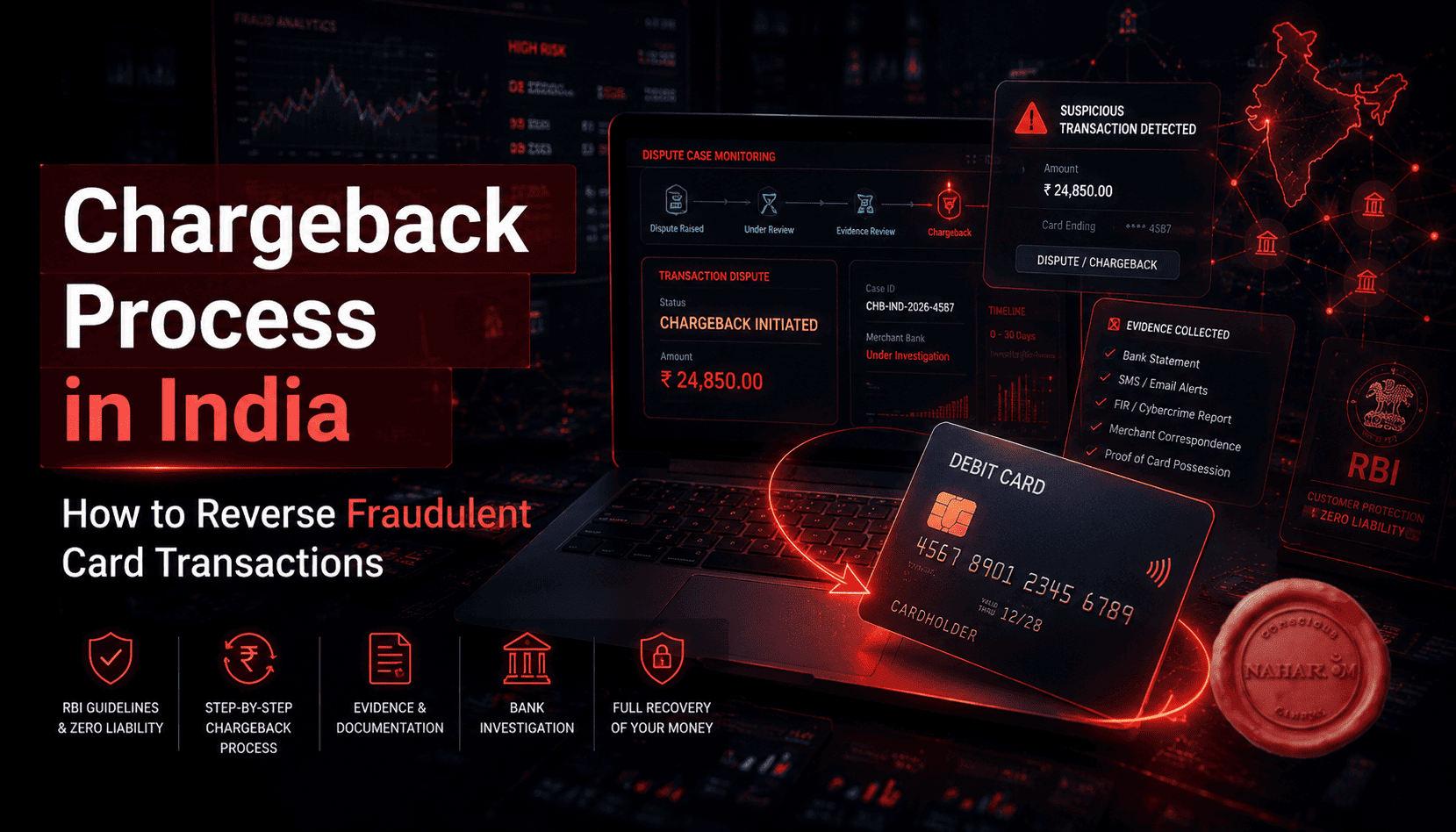
Banks and the Reserve Bank of India play distinct but connected roles in digital fraud disputes. This 2026 guide explains who refunds money, RBI customer liability rules, how fraud investigations work, and when to escalate complaints to the Banking Ombudsman.
Cyber fraud in India isn’t slowing down—it’s accelerating. In 2024 alone, Indians lost over ₹22,000 crore to digital scams, with recovery rates below 10%. The harsh truth? Most fraud today doesn’t involve sophisticated hacking—it exploits human behavior through urgency, trust manipulation, and split-second judgment lapses.
This comprehensive cyber fraud prevention checklist provides actionable, proven strategies to stop digital scams before they strike. Whether you’re protecting personal UPI payments, securing business transactions, or safeguarding family members from phishing attacks, this guide covers every critical defense layer.
Learn what never to share (OTPs, PINs, CVVs), recognize 15 fraud red flags, implement business maker-checker systems, and build reflexive safety habits that prevent 90% of fraud attempts. Updated for 2026 with latest scam techniques and India-specific regulations.
Prevention beats recovery every time. Start protecting yourself today.
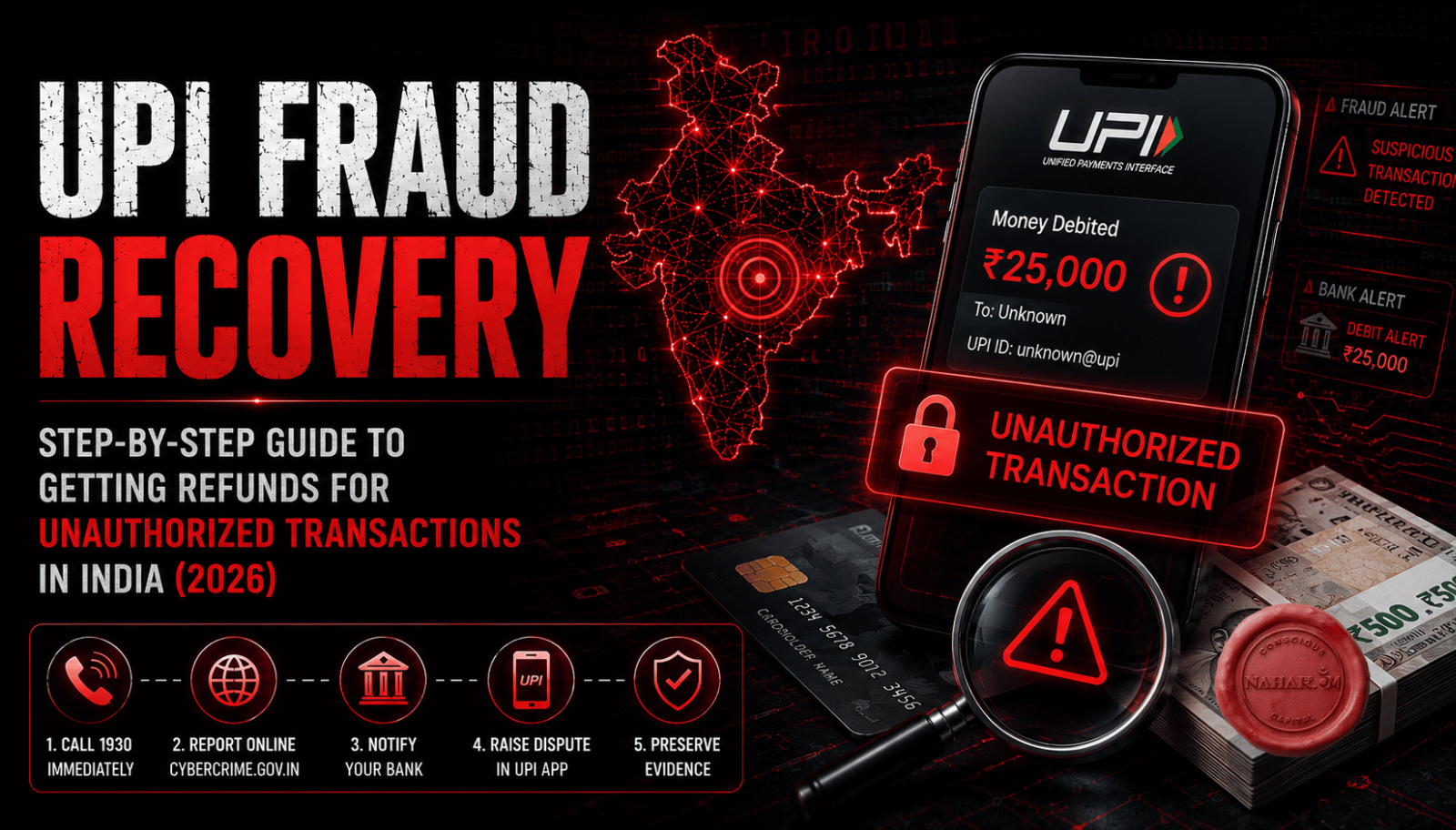
If you’ve fallen victim to cyber fraud in India, the next 30 minutes are critical. This comprehensive guide provides a step-by-step recovery process specifically designed for fraud victims in crisis—covering UPI fraud, credit card scams, phishing attacks, and investment fraud.
Learn exactly what to do immediately after discovering fraudulent transactions: how to contact your bank for emergency freezes, file complaints on the National Cyber Crime Portal (cybercrime.gov.in), register an FIR with police, and follow up effectively with authorities.
We cover realistic recovery timelines, common mistakes that reduce recovery chances, your legal rights under RBI guidelines, and prevention strategies to protect yourself going forward. Whether you’ve lost ₹5,000 or ₹5 lakhs, this guide explains when recovery is possible and what actions maximize your chances. Time is critical—start the recovery process now.
ndia’s pre-IPO market is evolving fast — and not every opportunity is worth chasing. This guide breaks down where genuine pre-IPO value may emerge in 2026, how SME and Mainboard listings differ, and the disciplined filters investors should apply before committing capital.
Moving from lab validation to real-world deployment is the toughest stretch in deep-tech. This article explains how venture studios help founders bridge TRL 4–7 by providing engineering support, market validation, pilot design, regulatory navigation, and execution teams that accelerate MVP readiness — while reducing the risk of failure.